
Universitas Gadjah Mada (UGM) has once again deployed students through the Community Service and Community Empowerment Learning Program (KKN-PPM) Period II of 2026 as part of the university’s commitment to supporting community development through science-based approaches. One of the KKN units, supervised by Nur Akbar Arofatullah, S.P., M.Biotech., Ph.D., a lecturer at the Department of Agricultural Microbiology, Faculty of Agriculture, UGM, will conduct its community engagement activities in Padaherang Village and Paledah Village, Padaherang District, Pangandaran Regency, West Java.
Carrying the theme “Community-Based Regional Development through Environmentally Friendly Approaches, Creative and Innovative Economy, Strengthening Education and Literacy, Sustainable Food Security Optimization, and Environmental Management and Disaster Mitigation,” the KKN unit focuses on empowering local communities through collaboration among students, village governments, community groups, and various local stakeholders. The programs have been designed to explore local potential while providing sustainable solutions to challenges faced by the communities.
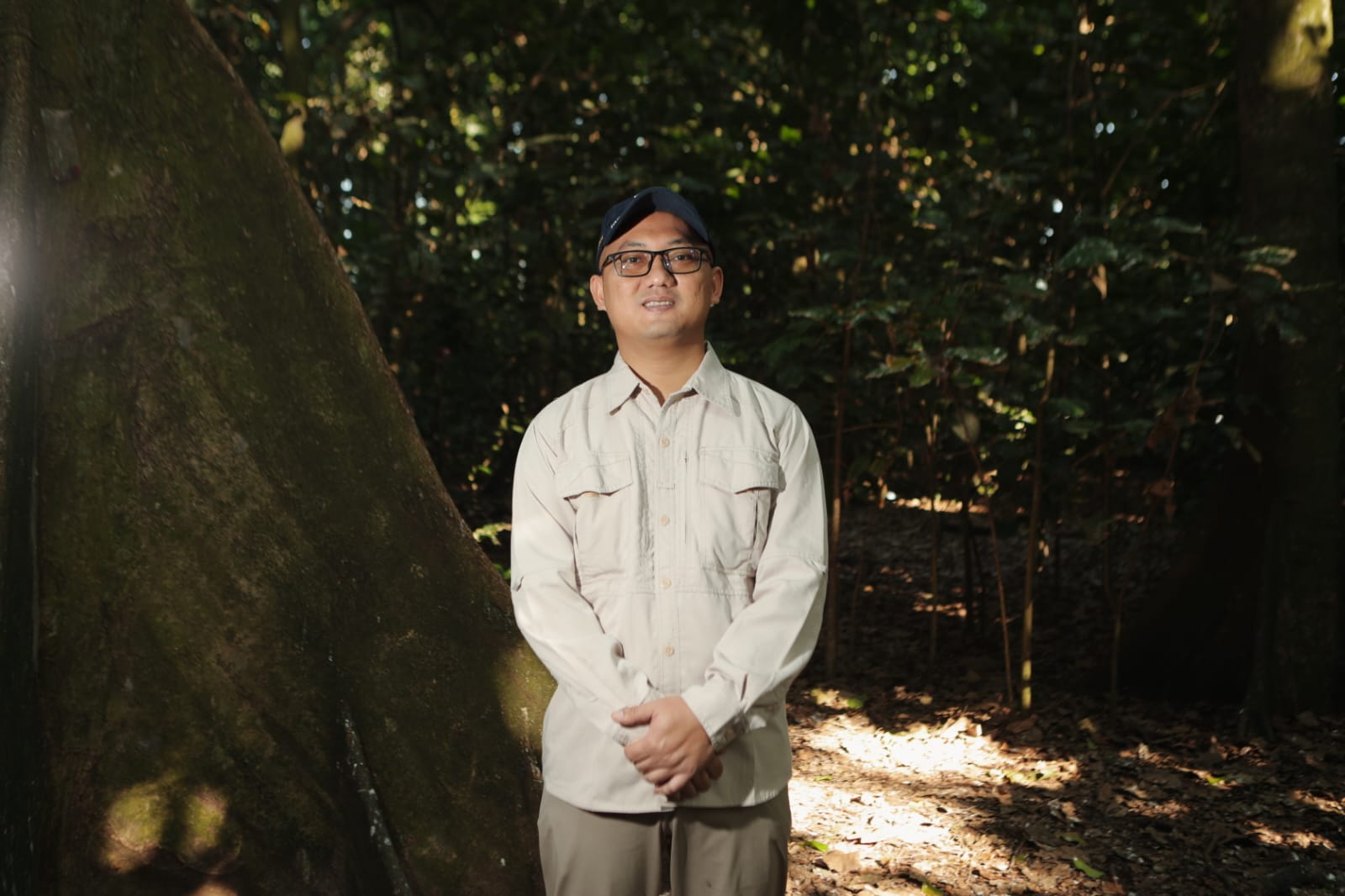
As the Field Supervisor (DPL), Dr. Nur Akbar Arofatullah will guide students in designing and implementing programs that are relevant to local community needs. Through this supervision, students are expected to apply the knowledge gained during their studies to real-world activities that benefit society, particularly in the areas of food security, environmental management, education, and local economic development.

Following the official KKN-PPM deployment ceremony conducted by Universitas Gadjah Mada, students from the Padaherang–Paledah unit traveled directly to their assignment location in Pangandaran Regency. Upon arrival, they began an adaptation phase with the local community and environment as the initial step in implementing their programs. This process is essential for understanding social conditions, regional potentials, and challenges faced by local residents.
During the early stage of the assignment, students will conduct field observations, coordinate with village governments and community leaders, and identify local needs that will serve as the foundation for developing their work programs. The findings from observations and discussions will then be used to design activities aligned with the KKN theme, ensuring that all programs are relevant to the conditions and needs of the communities in Padaherang and Paledah Villages. Through careful planning and community engagement, the students are expected to implement programs that create not only immediate impacts during the KKN period but also long-term benefits for local residents.


Padaherang and Paledah possess significant potential in agriculture, natural resources, and community development. Therefore, KKN students will collaborate with village administrations, farmer groups, micro, small, and medium enterprises (MSMEs), local communities, and other stakeholders to design and implement programs aimed at improving community welfare.
Planned activities include promoting environmentally friendly agricultural practices, developing creative economy initiatives based on local resources, enhancing literacy and educational opportunities, and strengthening sustainable food security. In addition, students will participate in educational and mentoring activities related to environmental management and improving community preparedness for potential disasters that may affect the region.
As a scholar specializing in agricultural microbiology and biotechnology, Dr. Nur Akbar Arofatullah has encouraged students to ensure that every program incorporates scientific approaches while respecting local wisdom and traditional practices. This approach is expected to generate practical, applicable, and impactful solutions that can be readily adopted by local communities.
The KKN-PPM program provides students with valuable opportunities to learn directly from communities while applying academic knowledge in real-world settings. Through interactions with various community groups, students gain a deeper understanding of local development challenges, strengthen their communication and leadership skills, and enhance their social awareness in addressing community issues.
Through collaboration among students, academic supervisors, village governments, and local communities, the KKN-PPM program in Padaherang and Paledah Villages is expected to generate innovative initiatives and empowerment activities that provide sustainable benefits. Beyond serving as a community service program, this initiative represents a tangible contribution of higher education institutions toward science-based community development and local empowerment.
This program contributes to the achievement of the Sustainable Development Goals (SDGs), particularly SDG 2 (Zero Hunger), SDG 4 (Quality Education), SDG 8 (Decent Work and Economic Growth), SDG 11 (Sustainable Cities and Communities), SDG 13 (Climate Action), and SDG 17 (Partnerships for the Goals), through strengthening food security, improving education, empowering local economies, promoting environmental management, and fostering multi-stakeholder collaboration for sustainable development.